

What is SEO?
How SEO Influences Digital Visibility
Indroduction
Search Engine Optimization (SEO) is the backbone of modern digital visibility. Every day, billions of searches are performed on search engines like Google and Bing, as well as on AI-powered platforms. SEO helps websites appear in front of the right audience at the right time.
Table of Contents
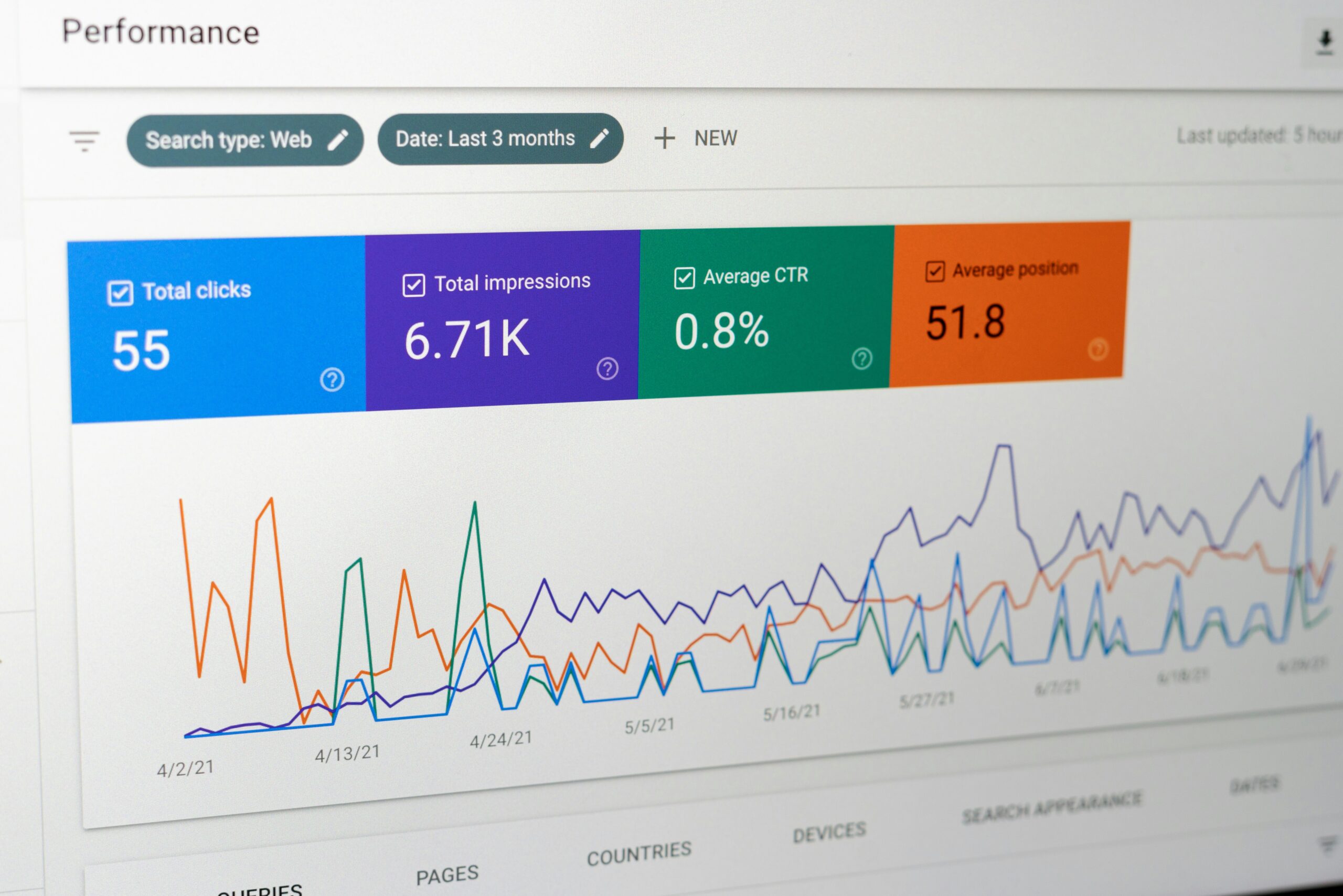
In this guide, you’ll learn what SEO is, how it works, why it matters, and how it influences online growth. This blog is written for beginners, business owners, and professionals who want a clear and practical understanding of SEO.
What is SEO?
SEO stands for Search Engine Optimization. It is the process of optimizing a website to improve its visibility in organic (non-paid) search engine results.
The Primary goal of SEO is to:
- Increase organic website traffic
- Improve search rankings
- Attract relevant users
- Build credibility and trust
- Support long-term digital growth
- SEO focuses on aligning website content with what users are searching for and how search engines evaluate content quality.
Search engines follow three main steps:
- Crawling: Search engines use bots (also called crawlers or spiders) to scan websites and discover new or updated content.
- Indexing: Once content is discovered, search engines store it in a massive database called an index.
- Ranking: When a user searches for something, search engines analyze indexed pages and rank them based on relevance, quality, and authority.
SEO helps your website perform better in all three stages.

Unlocking the Power of SEO
Transform Your Online Presence with SEO Today
Explore how SEO can enhance your visibility online. Whether you’re just starting or have been in the game for years, effective SEO can provide:
- More Traffic: Draw in more visitors with better search rankings.
- Increased Trust: Elevate your brand’s reputation by being on the first page in search results.
- Enhanced User Experience: Structure your site for easy navigation and satisfaction.
- Affordable Marketing: Reduce ad spending through valuable organic reach.
- Sustained Impact: Maintain long-term presence and engagement with dedicated SEO efforts.
How SEO Works:
- Keyword research and search intent analysis
- Content optimization
- Technical website improvements
- User experience optimization
- Authority and trust building
When these elements are implemented correctly, search engines understand your website better and rank it higher
Types of SEO:
SEO is not a single activity. It consists of several important types:
- On-Page SEO
Focuses on optimizing elements within your website - Off-Page SEO
Involves activities outside your website -
Technical SEO
Ensures your website works efficiently for both users and search engines - Content SEO
Content is the core of SEO. High-quality content should
On-Page SEO
-
-
-
Page titles and meta descriptions
-
Headings and content structure
-
Internal linking
-
Image optimization with alt text
-
Keyword placement
-
-
Of-Page SEO
-
-
-
Backlinks from trusted websites
-
Brand mentions
-
Social signals
-
Online reputation building
-
-
Technical SEO
-
-
-
Website speed optimization
-
Mobile responsiveness
-
Secure HTTPS connection
-
Proper indexing and crawlability
-
Clean URL structure
-
-
Content SEO
-
-
-
Solve real user problems
-
Be easy to read and understand
-
Be structured with headings and lists
-
Provide accurate and updated information
-
-
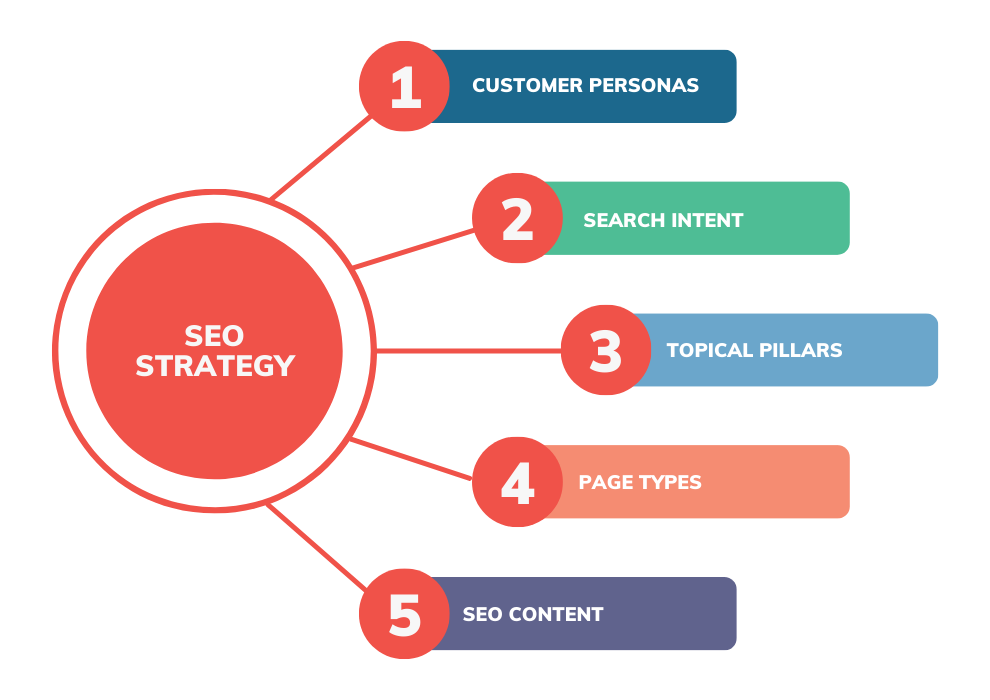
How SEO Influences Online Growth:
SEO directly impacts digital success in several ways:
Drives consistent organic traffic
Reduces dependency on paid ads
Improves brand credibility
Enhances user experience
Supports long-term scalability
Unlike paid marketing, SEO continues to deliver results over time when maintained properly.
SEO and User Experience
Modern SEO is closely connected with user experience. Search engines prioritize websites that:
Load fast
Are mobile-friendly
Have clear navigation
Provide helpful content
Keep users engaged
Good SEO is no longer about tricks—it’s about creating real value.
SEO in the Age of AI (LLM SEO)
AI-powered platforms and large language models (LLMs) now influence how content is discovered.
SEO-friendly content for AI should:
- Be structured and factual
Avoid unnecessary fluff
Include author credibility
Answer questions clearly
Maintain transparency
Well-structured SEO content performs better across search engines and AI systems.

Common SEO Myths
SEO is a one-time task

SEO gives instant results
More keywords mean better ranking
SEO is only for large websites
SEO is an ongoing process that rewards consistency and quality.
Best Practices for Effective SEO
Write content for humans first
Use clear headings and short paragraphs
Optimize images with alt text
Maintain internal linking
Keep content updated
Track performance regularly
These practices help build sustainable SEO success.
FAQ's
SEO (Search Engine Optimization) is the process of improving a website so it appears higher in Google search results and gets more organic visitors.
SEO usually takes 3 to 6 months to show noticeable results, depending on competition, content quality, and website authority.
SEO provides long-term free traffic, while ads provide instant traffic but stop when the budget ends. Both are useful together.
Yes. Anyone can learn SEO by understanding keywords, content optimization, and basic website structure.
SEO helps businesses get customers from Google without paying for every click, increasing trust and visibility online.
Author

Adil Rusfeed
Adil Rusfeed is a software developer and digital marketer in Kerala, India, building mobile apps, modern websites, WordPress solutions, and SEO-driven digital strategies for business growth.
Disclaimer
This content is intended for educational purposes only. SEO results vary depending on competition, industry, and implementation approach
Share the blog
Facebook
WhatsApp
X
LinkedIn
Email
Pinterest